
Ovarian PRP (Platelet-Rich Plasma)
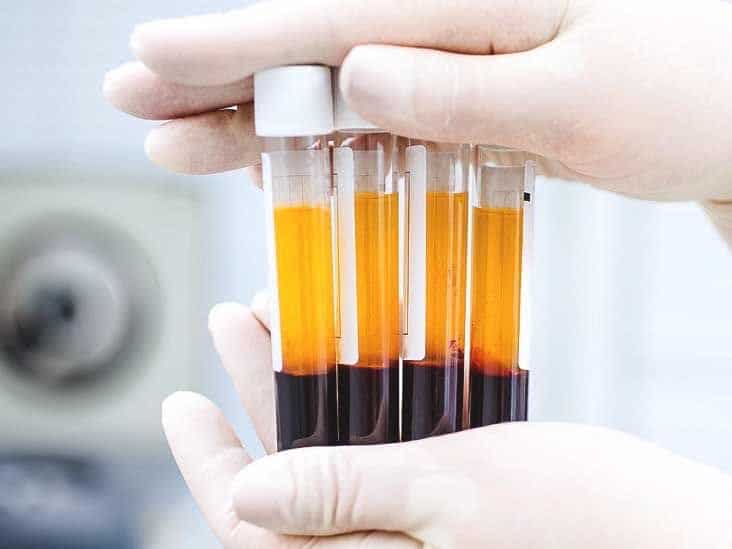
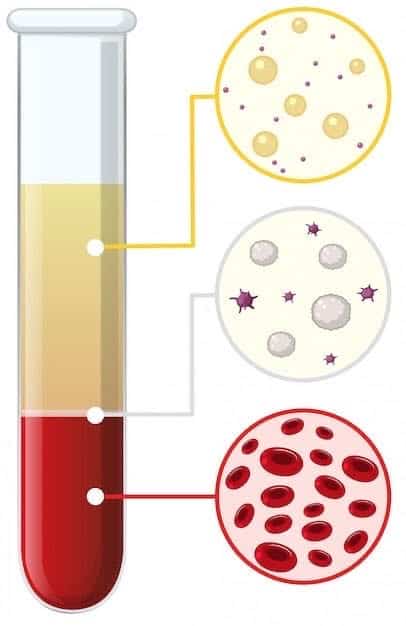
One of the advanced methods in modern technology for treating infertility and increasing the chances of pregnancy in women is Ovarian PRP (Platelet-Rich Plasma). In this technique, a 10-15cc of the individual's blood is drawn, and through a centrifugation process, the plasma is separated from other components of the blood. This plasma is then used for intrauterine injection. Women with poor ovarian reserve, who face challenges in conceiving, can use Ovarian PRP to enhance their pregnancy chances. This method is recognized newlly and can be used to improve ovarian and oocyte function. In some cases PRP injection is performed via an IUI catheter for Intra uterine injection .
Candidates Suitable for Ovarian PRP and Uterine PRP:
- Low ovarian reserve or reduced AMH levels
- Poor oocyte quality
- poor ovarian response to IVF procedures for pregnancy
- persistant thin endomehium. (Uterine PRP)
- Recurrent implantation failure (Uterine PRP)
Step-by-Step PRP Procedure:
The process begins with drawing a small amount of blood. White blood cells and platelets are separated from red blood cells and serum through centrifugation. After processing, platelet-rich plasma is prepared for ovarian or uterine injection.
Ovarian PRP :
The procedure is conducted in the operating room via vaginal access under ultrasound guidance and very light sedation (conscious sedation).
The patient remains in the recovery room for an hour and can be discharged once they are ambulatory. Patients are advised to rest at home for 1–2 days, after that they can resume work without restrictions. If the patient experiences pain following the PRP ovarian procedure, the use of pain relievers and antibiotics is recommended under the physician’s guidance.
Uterine PRP : this procedure is conducted without sedation via IUI catheter.
Frequently Asked Questions (FAQs):
Yes. By injecting platelets into the ovaries, which are rich in proteins and growth factors, ovarian tissue and primordial follicles are stimulated, resuming their growth and increasing the chances of pregnancy. In some cases, PRP may even restore menstrual cycles in premature ovarian failure.
In individuals with amenorrhea, the reappearance of menstruation indicates the effectiveness of PRP. In patients with menstrual cycles but low oocyte reserve , the response to IVF treatment in the subsequent cycle becomes evident. Numerous reports also highlight cases of spontaneous pregnancies in such individuals.