
Egg and Sperm Freezing
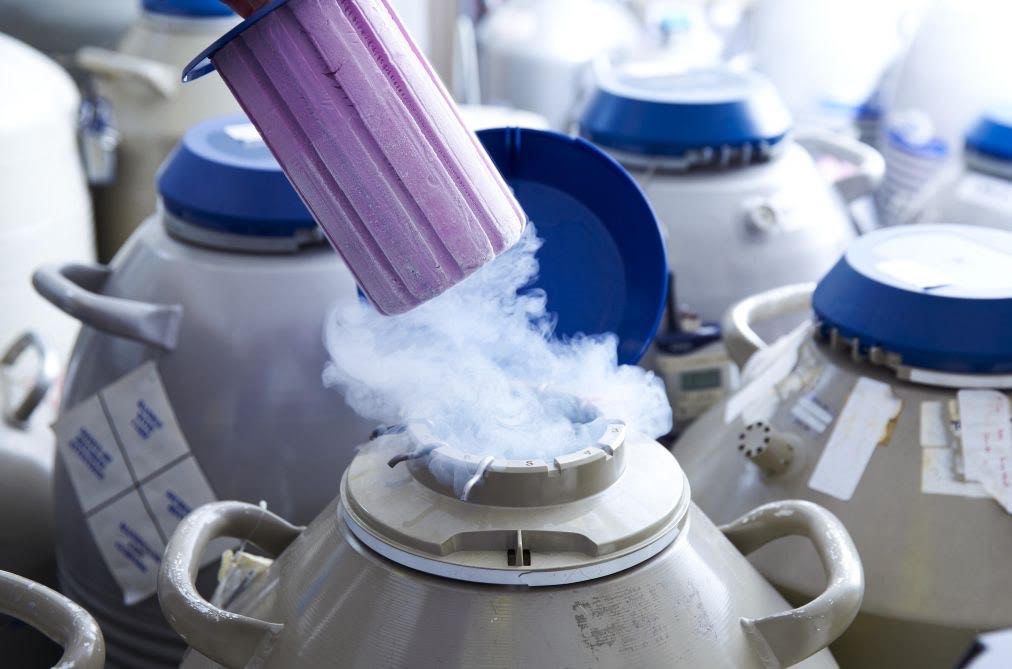
Sperm Freezing
Sperm freezing is a process in which a man's sperm is collected and stored at very low temperatures. This method is typically performed for several reasons:
- Fertility Preservation Before Medical Treatments: Men who are about to undergo medical treatments such as chemotherapy, radiation therapy, or surgeries that may affect fertility.
- Fertility Issues: Men with problems such as low sperm count or poor sperm quality.
- Delaying Fatherhood: Men who decide to postpone fatherhood for personal or professional reasons.
Steps of Sperm Freezing
Sperm Collection:
- Sperm can be collected through ejaculation into a sterile container or via a medical procedure for direct extraction from the testes.
Sperm Analysis:
- The collected sample is analyzed for sperm count, motility, and morphology to assess quality.
Preparation for Freezing:
- A cryoprotectant is added to the sperm sample to protect the cells during the freezing process.
Freezing Process:
- The sample is gradually cooled to prevent the formation of ice crystals that can damage sperm cells.
- Once at the appropriate temperature, the sperm is stored in liquid nitrogen at -196 degrees Celsius.
Storage:
- The frozen sperm is stored in cryogenic tanks until needed for use in assisted reproductive techniques.
Egg and sperm freezing, also known as cryopreservation, is a process in which eggs and sperm are stored at very low temperatures to maintain their quality and fertility. This method is used as a fertility preservation technique for individuals who wish to delay pregnancy or are at risk of losing fertility for medical reasons.
Egg Freezing
Egg freezing is a process where a woman's eggs are extracted from the ovaries and preserved in a special environment before being rapidly cooled to very low temperatures (minus 196 degrees Celsius). This process is performed for several reasons:
- Delaying Pregnancy: Women who choose to postpone pregnancy for personal or professional reasons.
- Before Medical Treatments: Patients who will undergo treatments such as chemotherapy or radiation, which may reduce or eliminate fertility.
- Fertility Issues: Women at risk of fertility problems or those who wish to freeze their eggs before starting fertility treatments.
Steps of Egg Freezing
- Ovarian Stimulation: Hormonal medications are used to stimulate the ovaries to produce more eggs.
- Egg Retrieval: Eggs are collected from the ovaries using minimally invasive surgical methods.
- Freezing: The eggs are rapidly cooled to very low temperatures for preservation.
Benefits of Egg and Sperm Freezing
-
Preservation of Fertility: This method allows individuals to still have the ability to conceive even if they experience a decline or loss of fertility due to medical reasons or advancing age.
-
Flexibility in Decision-Making: It enables individuals to choose the timing of pregnancy based on their personal or professional circumstances.
-
Quality Preservation: Eggs and sperm maintain their quality during freezing conditions and can be used in the future.
Egg Freezing: Comprehensive Guide
• Women who are older but not yet ready for pregnancy.
• Women who wish to delay pregnancy due to social or economic reasons.
• Women with decreasing ovarian reserve.
• Women undergoing specific medical treatments (e.g., chemotherapy, radiotherapy) that might harm their eggs.
• Individuals with genetic mutations or early menopause.
• Women with ovarian diseases like endometriosis, especially those requiring laparoscopic surgery, can freeze eggs before surgery.
• Women over 40, as the likelihood of having healthy eggs diminishes.
This method involves using medications to stimulate egg growth. Mature eggs are retrieved from the ovaries, frozen, and stored for future use. The eggs can later be thawed, fertilized with sperm to form embryos, and transferred to the uterus for implantation.
After egg retrieval, symptoms such as cramping, bloating, constipation, or spotting may occur for up to 24 hours, which are normal. In rare cases, severe symptoms like heavy vaginal bleeding, abdominal pain, or ovarian hyperstimulation syndrome (OHSS) may occur. OHSS happens when stimulating medications elevate hormone levels, leading to ovarian enlargement, fluid leakage into the abdomen, and electrolyte imbalances. This risk is higher in women under 35, those with polycystic ovaries, or low body mass index.
• Below 25 years: Egg freezing is generally not recommended because ovarian reserve is high. However, for concerns like genetic disorders, consulting a doctor for ovarian reserve and genetic testing is advised.
• 25–35 years: Fertility decreases with age, so freezing eggs at a younger age offers better outcomes.
• 31–38 years: Fertility sharply declines after 35. Freezing eggs before this age is ideal.
• Above 39 years: Natural conception chances drop to 5% per month for women over 40. Egg freezing at this stage may not be effective, and immediate action is recommended if considered.
The late 20s to early 30s is the optimal age for egg freezing, offering the highest success rates. For women with conditions affecting ovarian quality or quantity, earlier freezing may be beneficial.
There is no time limit for storing frozen eggs. They can be preserved for decades and used for pregnancy.
Yes, unmarried and virgin women can freeze their eggs. This is especially recommended for those with medical or genetic conditions that may affect fertility, such as sickle cell anemia.
• Hormonal Tests: AMH, TSH, and PRL.
• Infectious Disease Tests: Hepatitis B, Hepatitis C, and HIV.
• Ultrasound: Recommended to assess ovarian and follicular health based on the results.
Given potential side effects of ovulation-stimulating medications, such as weight gain, nausea, constipation, and appetite changes, it is advisable to adopt a suitable diet before the procedure, including:
• Consuming a variety of fruits and vegetables.
• Moderate consumption of dairy products.
• Including fish in your meals.
• Avoiding allergenic foods.
• Avoiding caffeine-containing beverages like coffee, soda, and tea.
• Eating foods rich in folic acid, selenium, zinc, and antioxidants.
Conclusion
Egg and sperm freezing serves as a safe and effective method for preserving fertility, helping many individuals tailor their pregnancy plans according to their life and health situations, and providing more opportunities for having children in the future.