
What is Hysteroscopy?
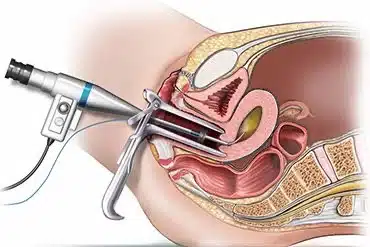
How Hysteroscopy is Performed
Hysteroscopy is a diagnostic and therapeutic procedure in women's medicine used to examine the inside of the uterus and the cervical canal. This procedure is performed using a thin, flexible instrument called a hysteroscope, which is equipped with a camera and light source. The device is inserted through the vagina into the uterus, allowing the doctor to directly view the interior and diagnose or treat any issues or conditions.
Applications of Hysteroscopy
-
Diagnosis of Uterine Issues:
- Identifying the cause of abnormal uterine bleeding.
- Examining uterine abnormalities such as polyps and fibroids.
- Diagnosing a septum (internal wall of the uterus) or other structural anomalies.
-
Removal of Foreign Bodies or Anomalies:
- Removing small polyps or fibroids.
- Extracting leftover tissue after a miscarriage or childbirth.
-
Assessment of Fertility Issues:
- Investigating infertility causes such as blocked fallopian tubes.
- Evaluating the uterine lining for any damage or abnormalities that may affect pregnancy.
-
Evaluation of Previous Surgical Outcomes:
- Reviewing the condition of the uterus following prior surgeries, such as fibroid removal or septum repair.
Hysteroscopy: Comprehensive Guide
_ Individuals with prolonged menstrual periods, intermenstrual bleeding, or spotting.
- For the evaluation of infertility or recurrent miscarriages.
- Diagnosis and Removal of intrauterine adhesions caused by infections or previous surgeries.
- Identification and removal of uterine fibroids and polyps.
- Locating displaced IUDs and removal them .
- Assessing congenital uterine abnormalities, such as uterine septum.
- The ideal time is immediately after menstruation or within one week of its completion.
- For postmenopausal women, the procedure can be performed at any time.
- Take hormonal medications as prescribed by your physician.
- Conduct any required tests as per your doctor’s recommendation.
- Treat any vaginal infections before undergoing the procedure.
- Stop taking medications like aspirin and warfarin prior to surgery.
- Avoid using vaginal creams or ointments for at least 24 hours before the procedure.
- Do not eat or drink anything for at least six hours before the surgery.
- Empty the bladder before the procedure.
- For patients with continuous bleeding, taking mefenamic acid capsules 2 to 3 days before the procedure can help reduce vaginal bleeding .
- If suffering from anemia caused by prolonged bleeding, iron supplements are recommended.
- Avoid driving, alcohol consumption, or heavy activities for 48 hours after the procedure.
- Use pain relievers such as acetaminophen or ibuprofen if needed.
- Your period might be heavier and longer than usual after hysteroscopy, and no need to worry.
- Follow a high-fiber diet (including fruits, vegetables, and whole grains) and drink plenty of fluids to prevent constipation.
- Avoid carbonated beverages for 48 hours after the procedure.
- Most people can resume work or daily activities within 2 to 3 days after the procedure.
- Strenuous activities or sports should be avoided for 7 to 10 days.
- Sexual intercourse should be avoided for at least one week after surgery, or until vaginal bleeding has completely stopped.
- If the procedure is complication-free, patients are discharged the same day and typically need 3 to 5 days of rest.
- Follow up on the first to third day of your next menstrual period and bring the pathology report if applicable.
- Fever above 38°C (100.4°F).
- Severe abdominal pain or generalized swelling.
- Heavy vaginal bleeding or abnormal discharge.
- Difficulty urinating or shortness of breath.
- Reduced hospital stay duration.
- Decreased reliance on pain medications.
- Prevention of invasive procedures like hysterectomy.
- Avoidance of open abdominal or uterine surgeries.
Conclusion
Hysteroscopy is a safe and effective method for diagnosing and treating many uterine problems, helping physicians provide appropriate treatment plans for their patients. The Narges Infertility Treatment Center offers diagnostic and therapeutic hysteroscopy services using advanced equipment and technologies. Hysteroscopy is performed by experienced and skilled obstetricians and gynecologists.