
What is Laparoscopy?
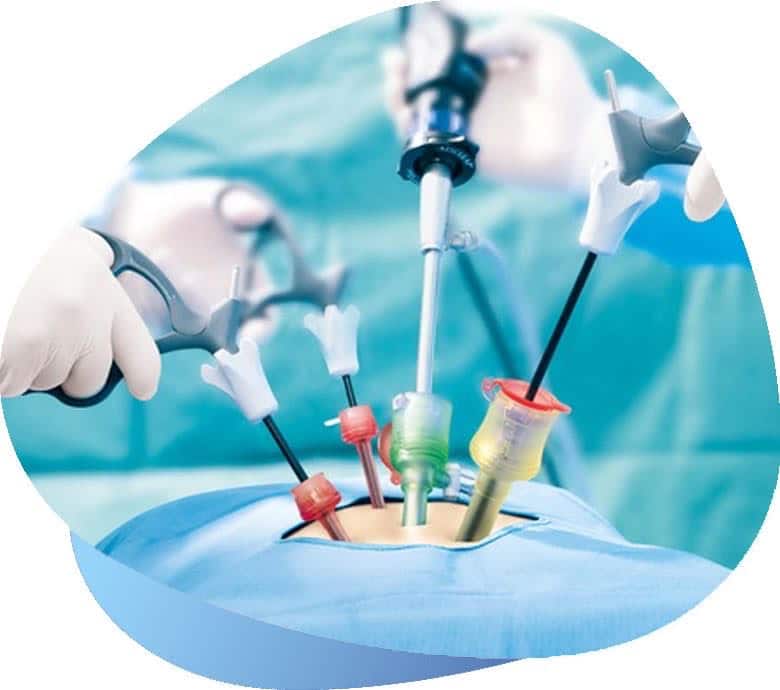
Types of Laparoscopic Surgeries at Narjes Infertility Treatment Center
Laparoscopic surgery, also known as minimally invasive surgery, is a surgical method that utilizes several small incisions instead of large cuts on the body. This technique is performed using a thin, flexible device called a laparoscope, equipped with a small camera and light source.
Laparoscopic surgeries can be effective in treating infertility in both women and men, as they may improve reproductive system function and increase the chances of conception.
Applications of Laparoscopic Surgery
Laparoscopic surgery is used to diagnose and treat various conditions and diseases, including:
- Gastrointestinal Surgery: Such as gallbladder removal, appendectomy, or resection of parts of the intestine.
- Gynecological Surgery: Such as ovarian cyst removal, fibroid removal, or endometriosis treatment.
- Diagnosis and Treatment of Chronic Pelvic Pain
- Urological Surgery: Such as kidney removal or bladder issue correction.
Due to its numerous advantages, laparoscopic surgery has rapidly replaced traditional open surgeries and is widely used in many medical centers around the world.
The Narges Infertility Treatment Center offers a wide range of laparoscopic surgeries for both women and men, including:
- Ovarian cyst removal
- Uterine fibroid removal
- Removal of uterine adhesions
- Tubal repair surgery
- Removal of intrauterine growths (endometriosis)
- Hysterectomy
- Testicular removal
Laparoscopy: Comprehensive Guide
Laparoscopy is performed to evaluate the patency of fallopian tubes, remove ovarian cysts, address ectopic pregnancies, remove uterine fibroids, manage and Release, abdominal and pelvic adhesions, and diagnose pelvic pain.
- Ultrasound imaging.
- Hysterosalpingography (HSG) or dye test.
- Sometimes pelvic MRI.
- Avoid eating or drinking for 6 to 8 hours before the surgery.
- Do not consume heavy meals the night before surgery.
- Take a shower the night before the operation.
- Shave the surgical area the night before the procedure.
- Inform your doctor about any medical history, especially allergies to medications or substances.
- Avoid smoking before surgery.
- Refrain from using herbal medicines or blood-thinning medications.
- Avoid flatulent foods.
- For the first 2–3 days, consume light meals such as soup without legumes.
- Include protein-rich foods like meat and eggs in your diet.
- To prevent constipation, eat fruits, vegetables, and fiber-rich foods.
You can return to work 7–10 days after the procedure. Avoid strenuous activities during this period.
You can shower 24 hours after the procedure. Clean the wound and remove the dressing. If absorbable sutures are used, there is no need to have them removed. If non-absorbable sutures are used, they should be removed 10 days post-surgery.
The best time to perform laparoscopy is immediately after the menstrual period and up to the 14th day of the menstrual cycle.
Sexual activity can be resumed once there is no spotting, vaginal bleeding, or pain at the surgical site.
- If non-absorbable sutures are used, visit your doctor 10 days after the surgery for checking and removal your suture.
- On the first to third day of menstruation, visit your doctor with the pathology report to begin the treatment cycle.
- Rest for 2 to 4 hours after the procedure to recover from anesthesia.
- Resume normal activities 7–10 days after the surgery.
- Avoid heavy exercise or strenuous work for at least 3 weeks.