
Purpose of Semen Analysis (S/A)
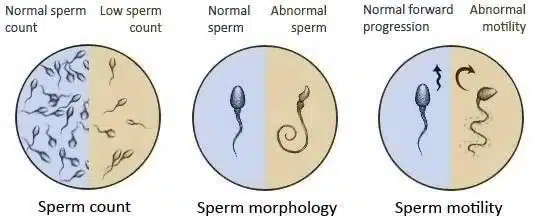
One of the main factors contributing to infertility in couples is male-related issues, including abnormalities in sperm count, motility, and morphology. Semen analysis evaluates parameters such as sperm count, motility (progressive), percentage of normal morphology, and other factors that may affect the sperm’s ability to fertilize the egg.
Basically, the sperm sampling test is performed to check the probability of infertility in men and it is one of the first tests to diagnose infertility problems in men.
Meanwhile the sperm sampling is also done to detect azoospermia (absence of sperm) and oligospermia (low sperm count) diagnosis after vasectomy and the quantity and quality of sperms can be cleared through the sperms analysis too.
For sperm sampling there are some important measures should be taken to have a reliable true test and sampling should be done in a laboratory and sample should be immediately handed over to the lab staff.
Semen Analysis (S/A) Comprehensive Guide
On the day of the test, the semen sample is collected in a sterile wide-mouth container. The initial portion of the ejaculate contains the highest number of sperm with the best motility, so it is important to collect the sample completely and correctly. Ideally, the sample should be produced in the sample collection room at the center. If collection at the center is not possible, the sample may be collected at home, provided it is delivered to the laboratory within 30 minutes, kept at a temperature close to 37°C. The use of lubricants or intercourse is not recommended for sample collection.
Low sperm count may indicate conditions such as ductal obstruction, low testosterone levels, or retrograde ejaculation. Some men may have an adequate sperm count, but the sperm may lack the ability to move through the female reproductive system or penetrate the egg due to abnormal morphology. Semen analysis helps diagnose these issues, guiding the physician in planning appropriate treatments. If sperm quantity or quality does not improve, couples may require assisted reproductive techniques.
• Allergies: Allergic reactions can disrupt sperm production.
• Medications: Drugs like cimetidine, spironolactone, azithromycin, and corticosteroids may negatively impact spermatogenesis.
• Substance use: Alcohol and recreational drugs can affect sperm quality.
• Environmental factors: Air pollution and toxins reduce sperm count, motility, and morphology.
• Physical injuries: Trauma to the testicles is a common cause of infertility and abnormal semen results.
• Medical conditions: Diseases like mumps or cancer treatments (chemotherapy/radiotherapy) can significantly reduce sperm quality and count.
• Abstain from ejaculation for 3–5 days before the test. Abstaining for less than 3 days may reduce sperm count, while more than 5 days may result in dead or immotile sperm.
• Avoid medications during this period unless prescribed.
• Refrain from hot showers, saunas, or jacuzzis the night before the test.
• Collect the sample at the center using masturbation. Mixing semen with vaginal secretions may alter the results.
• If collected at home, deliver the sample to the center within 30 minutes, maintaining a temperature of 37°C.
• Do not use condoms, lubricants, or engage in intercourse before the test.
• Avoid carbonated drinks and processed foods.
• Limit cold-natured foods and snacks like chips and biscuits.
• Avoid fast food and consume healthy, nutrient-rich foods.
• Include warm-natured foods like dates and honey in the diet.
• Consume fresh fruits, vegetables, and natural, protein-rich foods.
It is strongly recommended to avoid alcohol, smoking, and recreational drugs entirely, even on an occasional basis.