
What is oocyte retrieval?
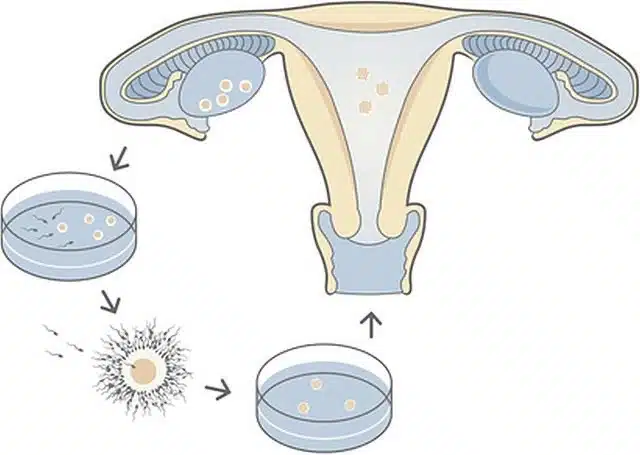
Oocyte retrieval, commonly performed as part of IVF procedures, involves stimulating the ovaries with hormonal medications. Using a specialized needle under vaginal ultrasound guidance, eggs are retrieved and preserved in a laboratory environment. This procedure is typically performed under short-term anesthesia.
Oocyte Retrieval (Puncture): Comprehensive Guide
This procedure is recommended when conventional fertility treatments fail to address infertility issues. It is commonly performed in cases of Tubal obstruction, endometriosis, or resistance to IUI or ovulation induction . Additionally, it may be used for individuals with ovulation disorders, fertility preservation for future use, or patients with genetic conditions where embryos are screened for abnormalities before implantation. (pre –Gestation Diagnosis – PGD)
Oocyte retrieval does not impact the ovarian reserve. During each menstrual cycle, multiple follicles begin to mature, but only one fully develops, while the rest degenerate naturally. Fertility medications stimulate a select number of follicles that are already in the pre-antral and antral stages, allowing them to mature for retrieval. This process does not affect the overall ovarian reserve.
It is advisable to rest for 2–3 days after the procedure and avoid strenuous activities during this time.
Complete blood count, coagulation tests, thyroid function tests, blood group, and screening for HIV and hepatitis B and C are required.
- Fast for 6–8 hours before the procedure.
- Shave the genital area and take a shower on the morning of the procedure.
- Follow your doctor’s instructions regarding medication use and discontinuation.
- Empty your bladder completely before entering the operating room.
Oocyte retrieval is a very short procedure (5–10 minutes) and does not require full general anesthesia. Light sedation combined with pain management is usually sufficient.
Side effects are rare and usually mild, including slight pain, nausea, vomiting, or, in rare cases, internal bleeding or ovarian hyperstimulation syndrome (OHSS).
If a small number of eggs were retrieved and there are no risks of OHSS, sexual activity can resume whenever the patient feels comfortable and has no bleeding. However, in cases with a high number of eggs retrieved and a risk of OHSS, it is recommended to avoid sexual activity for at least two weeks.
- Take prescribed medications as directed by your doctor.
- Use anti-nausea medication if needed.
- Follow specific recommendations provided by your doctor or nurse in case of OHSS risk.
Schedule a follow-up visit during your next menstrual cycle to start the next phase of treatment.
No specific dietary restrictions are required routinely. However, if there is a risk of OHSS, a high-protein diet, increased fluid intake, and avoidance of flatulent foods are recommended for a few days.
The procedure takes 5–10 minutes, and patients are usually discharged about two hours after its completion.