
What is intrauterine insemination (IUI)?
Indications for the IUI method
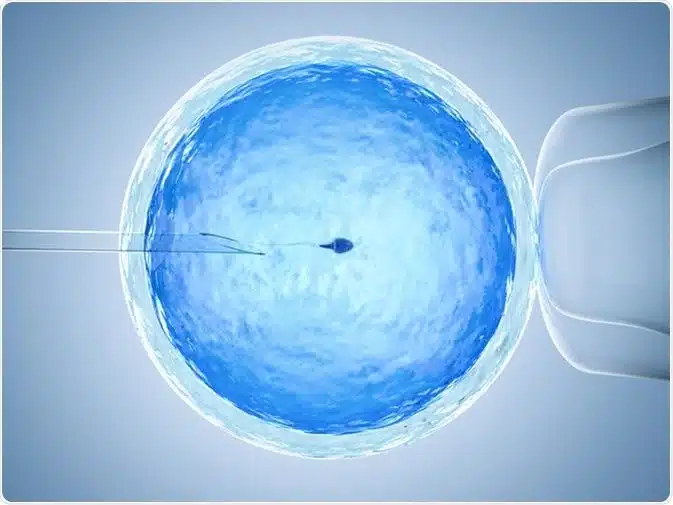
Intrauterine insemination (IUI) is an assisted reproductive method in which sperm is directly injected into a woman's uterus. This technique is used to increase the chances of pregnancy in situations where the male sperm may not reach or fertilize the egg naturally due to low count, poor motility, or other issues. IUI can enhance the likelihood of successful fertilization by reducing barriers and improving sperm positioning.
How is IUI performed?
In the IUI procedure, the male sperm is collected and then undergoes a washing and preparation process to separate healthy, high-quality sperm from other components of the semen. These prepared sperm are then injected directly into the woman's uterus using a thin catheter. This method is typically performed during the woman's ovulation period to maximize the chances of fertilization and pregnancy.
Reduction in sperm count or motility: When the male sperm count is below normal or the sperm lack sufficient motility to reach the egg, IUI can increase fertility chances.
Cervical mucus issues: In some women, cervical mucus may be too thick or contain substances that hinder sperm movement. IUI helps fertility by bypassing this barrier and directly injecting sperm into the uterus.
Use of frozen sperm: In cases where frozen sperm is used (such as donated sperm or sperm collected before treatments that may affect fertility), IUI is an effective method for injecting sperm into the uterus.
Unexplained infertility: In cases where the cause of infertility is unclear, IUI is recommended as a preliminary and less invasive method to assist with fertility.
Erectile or ejaculation issues: In cases where men face medical problems like erectile dysfunction or ejaculation issues, IUI can be an effective option.
IUI (Intrauterine Insemination): Comprehensive Guide
1) Patients whose partner's sperm quality is low. In this process, sperm is washed to improve its quality.
2) Unexplained infertility: It is recommended to undergo IUI multiple times (6 times).
3) Ovulation with week response to medication: IUI is suggested for several cycles before moving to IVF.
4) Mild endometriosis.
5) Cervical stenosis.
6) Vaginismus.
IUI is usually performed between days 11 to 13 of the menstrual cycle. If a follicle is larger than 18 mm, a trigger injection is administered, and IUI is performed 36 hours later. A beta hCG test is done two weeks afterward.
No specific pre-IUI care is required.
No special care is needed after IUI.
It is recommended to have sexual intercourse at least twice a week, after IUI for one week.
The success rate of IUI is approximately 10–15%.
The procedure typically takes 2–5 minutes.
There are no dietary restrictions.
Patients are generally advised to rest for 15 minutes after the IUI procedure. The procedure is performed in a lithotomy position, and no extended rest is required.
Patients should visit their doctor two weeks after IUI to perform a beta hCG (pregnancy) test.